5 Ways Delaying Auto Repair Affects Fuel Economy and Safety
According to Kelley Blue Book, the average vehicle on U.S. roads is now nearly 13 years old. Delaying routine vehicle maintenance and necessary repairs can significantly impact fuel efficiency and endanger driver safety. While postponing service might seem like a cost-saving measure initially, it frequently leads to severe long-term financial and operational consequences. Maintaining a vehicle proactively ensures peak engine output, minimizes fuel consumption, and prevents dangerous road hazards.
Proper vehicle care extends beyond basic oil changes to encompass every vital system under the hood and chassis. When minor mechanical issues are ignored, they compound into expensive repairs that compromise both vehicle structural integrity and baseline efficiency. Understanding the direct operational impacts of delayed service enables drivers to make informed decisions regarding their ongoing maintenance schedules and visits to professional auto repair shops.
Routine service intervals preserve essential safety features and protect vital mechanical components from premature failure. Investing in timely repairs safeguards vehicle occupants, optimizes gas mileage, and maximizes the overall operational lifespan of the automobile. The following analysis explores the specific ways delayed maintenance negatively affects performance and road safety.
Maximizing Engine Efficiency
Failing components within the ignition and fuel systems severely degrade fuel economy. Worn spark plugs fail to ignite the air-fuel mixture effectively, causing incomplete combustion, engine misfires, rough idling, and increased fuel consumption. Similarly, a declining oxygen sensor can misread exhaust gases, prompting the engine control unit to send excessive fuel into the combustion chamber. Over time, these unaddressed inefficiencies strain internal parts and accelerate component wear.
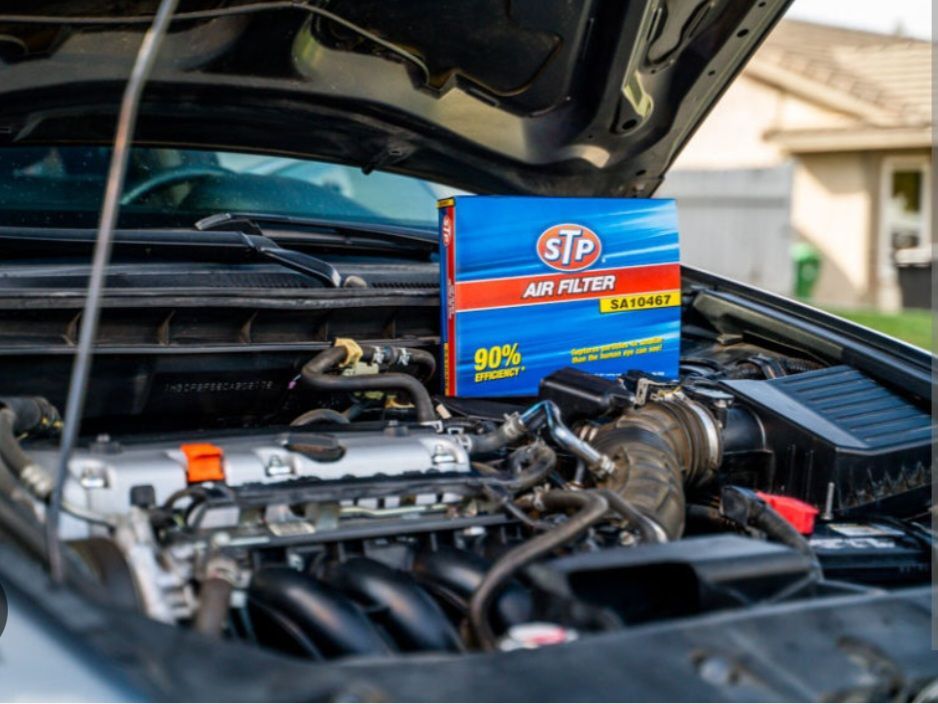
Restricted air and fuel delivery systems directly increase operating costs. Clogged air filters force the engine to draw air through debris, leading to inefficient combustion, sluggish acceleration, and reduced miles per gallon. Inefficient or dirty fuel injectors create uneven fuel distribution, forcing the engine to run rich and consume unnecessary fuel. Addressing these air-fuel delivery issues promptly restores smooth operation and keeps fuel expenditures under control.
Mechanical misalignments also contribute significantly to fuel waste. Wheel misalignment increases rolling resistance, requiring more engine power and fuel to maintain standard cruising speeds. Misaligned tires experience uneven tread wear, compromising vehicle traction and shortening tire lifespan. Regular wheel alignments ensure proper contact with the road surface, reducing drag and optimizing fuel usage across all driving conditions.
Preserving Mechanical Reliability
Delaying repairs within the cooling system poses an immediate threat to overall engine health. Low coolant levels, radiator leaks, or a stuck thermostat cause severe overheating, which can warp metal engine components, blow head gaskets, or trigger total engine failure. Overheating also degrades engine oil, destroying its lubricating properties and accelerating wear on internal moving parts. Maintaining the cooling system prevents catastrophic engine destruction and costly rebuilds.
Unaddressed mechanical issues steadily erode overall engine responsiveness and power delivery. Clogged filters, failing sensors, and weakened ignition hardware place cumulative strain on the engine, forcing it to work harder under normal loads. This reduced output compromises driving comfort, highway merging ability, and overall energy efficiency. Routine diagnostic checkups at certified auto repair shops identify power-draining problems early before they require complex, high-cost repairs.
Critical monitoring components must remain fully functional to protect the engine from severe internal damage. A failed knock sensor cannot detect premature fuel combustion in the cylinders, allowing damaging engine knock to continue unchecked. Persistent knocking leads to cracked pistons, damaged valves, and major structural failures. Inspecting and replacing faulty monitoring sensors preserves internal engine health and ensures consistent operational output.
Maintaining Stopping Power
Brake system neglect represents one of the most critical safety hazards on the road today. Worn brake pads lose their friction material over time, drastically increasing total stopping distance and making emergency stops hazardous. Ignoring worn pads leads to metal-on-metal contact, which damages rotors and calipers while generating excessive heat that compromises fluid pressure. Timely replacement of pads and rotors ensures dependable stopping power when it is needed most.
Hydraulic brake system components require regular inspection to maintain proper fluid pressure. Spongy brake pedals, fluid leaks, or degraded brake fluid diminish hydraulic pressure, leading to delayed braking response or complete brake failure. Contaminated brake fluid retains moisture, which corrodes internal lines and calipers from the inside out. Flushing brake fluid at recommended intervals maintains system pressure and protects essential hydraulic components.
Advanced driver assistance systems rely heavily on well-maintained braking hardware to function correctly. Anti-lock braking systems (ABS) and traction control rely on functional sensors and responsive hardware to prevent wheel lockup on slick surfaces. Neglecting basic brake maintenance impairs these automated safety features, reducing vehicle stability during sudden evasive maneuvers. Keeping the entire braking assembly in optimal condition ensures complete control in adverse conditions.
Securing Handling Stability
Suspension system wear directly impairs vehicle stability, steering control, and ride quality. Worn shocks and struts allow excessive body roll during turns, increase stopping distances, and cause severe bouncing over bumps. Weakened suspension components put extra stress on tires, causing rapid, uneven tread wear that decreases road grip. Replacing worn shocks and struts stabilizes the chassis and improves driver control during sudden maneuvers.
Steering components like tie rods, ball joints, and control arms require routine inspection to prevent dangerous mechanical failures. Loose or worn steering links cause steering wheel play, erratic alignment shifts, and poor handling responsiveness. A sudden failure of a ball joint or tie rod end can cause a complete loss of steering control at highway speeds. Inspecting and replacing worn linkage hardware protects against severe suspension collapse and loss of control.
Tire integrity is vital for maintaining optimal traction, stopping distance, and hydroplaning resistance. Driving on worn, bald, or improperly inflated tires drastically reduces grip on wet or icy roads, increasing the likelihood of skidding. Damaged sidewalls or neglected tread wear pattern issues heighten the risk of dangerous sudden tire blowouts. Proper tire rotation, pressure monitoring, and timely replacements ensure reliable contact with the road.
Preventing Catastrophic Failures
Drivetrain and transmission maintenance is essential for preventing sudden highway breakdowns. Neglecting transmission fluid changes leads to overheating, slipping gears, delayed shifting, and eventual transmission failure. Worn constant-velocity (CV) joints and driveshaft components generate vibration and can break during operation, stranding the vehicle. Timely drivetrain maintenance preserves smooth power transfer from the engine to the driven wheels.
Electrical system delays can disable critical vehicle safety features and leave drivers stranded unexpectedly. A weak battery, failing alternator, or corroded terminal cables strain the entire electrical network, causing dim headlights, erratic sensor readings, and engine stalling. Modern vehicles depend on stable electrical current to power safety modules, airbags, and electronic stability systems. Testing and replacing weak electrical parts ensures all safety electronics operate reliably.
Neglecting small oil leaks or cooling issues eventually leads to extensive mechanical failure. Minor oil leaks can starve internal engine components of lubrication, causing severe friction, heat buildup, and seized metal parts. Exhaust leaks allow hazardous gases to enter the passenger cabin while triggering check engine lights and emissions failures. Resolving minor fluid and exhaust leaks early prevents dangerous driving conditions and preserves long-term vehicle usability.
Postponing necessary vehicle maintenance negatively impacts both fuel economy and overall road safety. Ignoring minor mechanical issues leads to increased fuel consumption, reduced engine power, compromised braking efficiency, and unstable handling dynamics. Proactive vehicle service preserves critical systems, lowers long-term repair expenses, and ensures that your vehicle remains safe and efficient on every journey. For more information about how trusted auto repair shops can keep your vehicle running smoothly, reach out to our incredible team at Tilford's Towing and Recovery LLC Automotive Repair today!

Share On: